One man was there who had been ill for thirty-eight years. When Jesus saw him lying there and knew that he had been there a long time, he said to him, “Do you want to be made well?” [John’s Gospel 5.5-6]
There he is, on the edge of the picture frame.
As the story takes shape, he lies there, not quite noticed, because he’s part of the furniture. Not the furniture of which anyone takes account, but like the old lounge that mum, and her mum before her, used for spare, if someone, uninvited, stayed the night.
Pushed into the corner. Draped with a dust cover. Just in the corner of your eye.
Like many in the Jesus stories he does not warrant a name, unlike the Sheep Gate, and the Beth-zatha pool, where he has been since before Jesus was born.
Presumably, over the decades, someone has brought him food and clothes; perhaps there are those who offer charity, but not enough companionship to help him move towards healing.
Jesus lifts the dust cover and asks him, ‘Do you want to be healthy?’
So accustomed is he to finding reasons, even excuses, for not being well, that his reply echoes all the other accusations, theologies and stereotypes he has endured. Like the Samaritan woman in the last chapter, they are tattooed into his life.
Thirty-eight years of suffering ends in one sentence from Jesus. No words of thanks, or blessing. Sabbath means not rest for him, but restoration. Shalom indeed.
Then they discover him. Those who ignored, or blamed, or labelled him in the past, the ones our own Manning Clark would certainly have labelled “straighteners” – the punishers of life.
Healing? Be blowed. Sabbath is no time for life and restoration. We know this story all too well; he is only worth their attention when they have something to gain, or some pound of flash to be carved off.
So, why was he there for a lifetime? Did his parents, or siblings, place him there in hope, or despair? Why didn’t they wait long enough to escort him to the pool? Was their compassion – and that of others – exhausted entirely?
Is it possible that his identity, from time and blame, was his illness and nothing else?
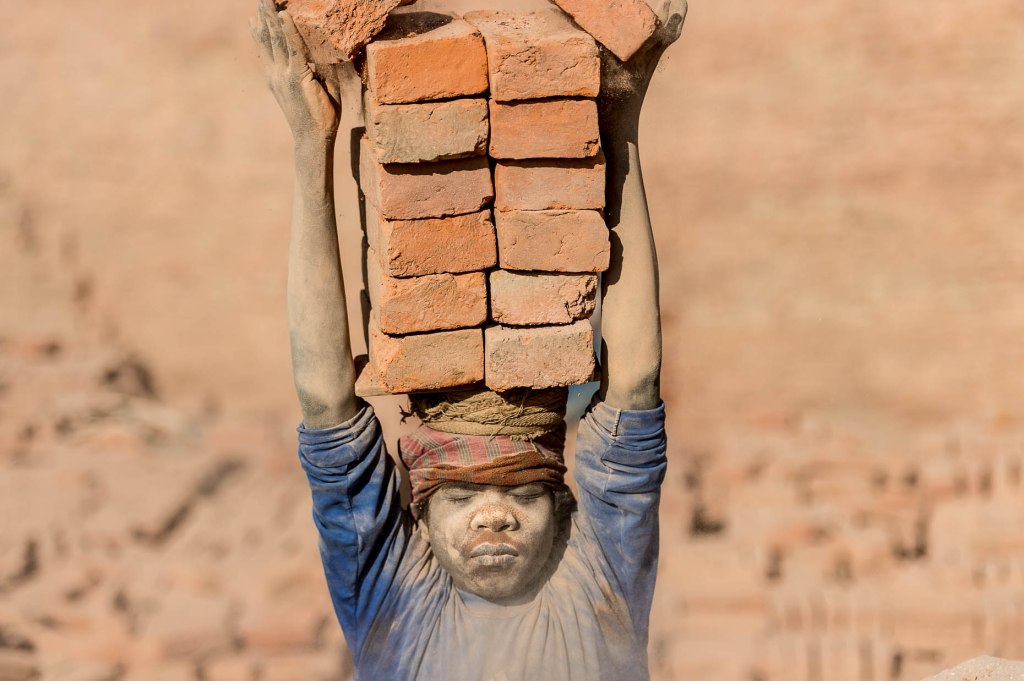
We know the answers to none of these questions. We wonder, though, whether he moves from knowing who he is – labelled, disabled and dismissed – to not knowing, now that everything has changed, a lifetime identity transformed.
Is there something in Jesus’ question? “Do you want this?” is something more searching than compassion, perhaps. It is taking someone who has been placed out on the edge of the image, and focusing on them. “Do you want health?” is asking him to reach for more than despair; sometimes despair is the story to which we have become accustomed, and we even believe that might be all we deserve.
The wonderfully ridiculous scene of the “ex-leper” in Python’s Life of Brian, captures this beautifully. Who am I now, if I can’t beg?
We can become content with our circumstances, blaming others, or even ourselves with our inability to find a solution and move on. Healing can be frightening.
And then Jesus.
Dare we risk ourselves with this Jesus, who will forgive, and heal, and renew? Do we want to be made well? Jesus calls us forward, and his love invites us to imagine – and live – a life shaped by his compassion and mercy, and not by our past.
Do you want to be whole?
 Through A Strained Fence