Thus says the Lord of hosts, the God of Israel, to all the exiles whom I have sent into exile from Jerusalem to Babylon: Build houses and live in them; plant gardens and eat what they produce. … But seek the welfare of the city where I have sent you into exile, and pray to the Lord on its behalf, for in its welfare you will find your welfare. {The Prophet Jeremiah 29.4-7]
There is a thread at which we are often hesitant to pull, as we think about the place of faith and the faithful, in the scheme of things. It is the thread of punishment and blessing.
The conversation about blessing is often articulated by two statements, one of which appears to follow the other, and which grow progressively threadbare. If we do God’s will, then we will be blessed; the second argument which (for a moment) sounds logical is that if we have wealth and good health, then we must be doing God’s will.
Blessing and obedience are far more nuanced than this utilitarian argument. As if we needed reminding that the most complete act of obedience is found in Christ suffering and crucified; discerning the profound nature of blessing begins and ends there.
Here are God’s people, Jeremiah’s people, bound in exile. Prophets on the right and left are speaking of the escape they must make, or the punishment they must endure. The people look over their shoulders towards the lives they used to live, and remember with some embellishment what life was like, then.
Blessing, or punishment. If we are exiled here, refugees, then Yahweh, our God, has forsaken us. We have no song to sing in this strange land. There is no blessing to be found.
Then God, with the voice of Jeremiah, reminds them of the God who creates, who restores, who wrests life out of death and light from darkness. The whole façade of curse and blessing is allowed to unravel, and God weaves something new – a theology of welfare and of life.
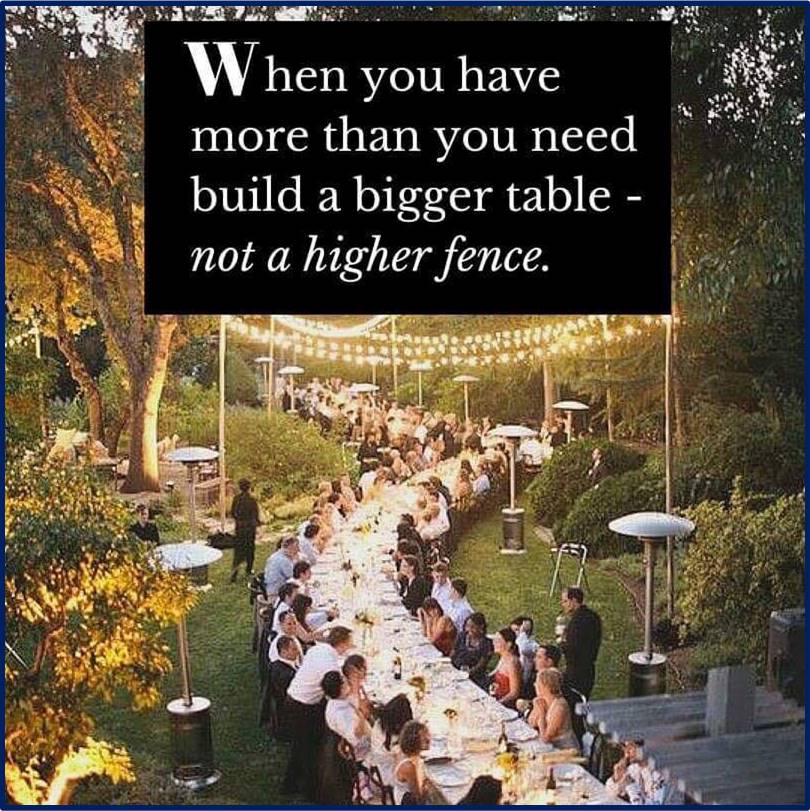
Rather than electing isolation, or social protectionism, the God of Sarah and Abraham calls their descendants to live their reoriented lives entirely in the community into which they have been placed.
“Build and live, plant and eat, marry and grow – live your lives fully in the place where I have located you.” Those who mutter omens of punishment or escape are offering nightmares masquerading as dreams.
It is here, when we think the wells are dry, that we discover who we are called to be. It is when we test our faith, and our faith’s narratives, when we examine the promises of our God and of our journey to this place, that we discern what is myth, what is celebrated and then laid aside, and what gives us foundation for the next steps we need to take.
“Exile is the place where God’s faithful promises work a profound newness”, says Brueggemann. When we offer the gospel as food for the hungry and a voice of justice, but also as celebration and renewal, then lives are changed, not least our own.
We live our faith in such a way, that people are blessed in knowing us. We seek the welfare of our community, because that is best for them. There is no snare in our generosity, to entrap others into faith, or gospel; we serve, and care, and celebrate in order to offer life.
God offers the possibility of return from Babylon to Jersualem and home, but only after three generations of lives have been lived in exile – and in hope.
We are in this place, this life, because God has placed us here. It is in offering life to others, that we discern more fully the lives to which we are called, in Jesus Christ.
 Through A Strained Fence