What is born of the flesh is flesh, and what is born of the Spirit is spirit. Do not be astonished that I said to you, ‘You must be born from above.’ The wind blows where it chooses, and you hear the sound of it, but you do not know where it comes from or where it goes. So it is with everyone who is born of the Spirit.” Nicodemus said to him, “How can these things be?” [Gospel of John 3.6-9]
Nicodemus visits Jesus in the dark.
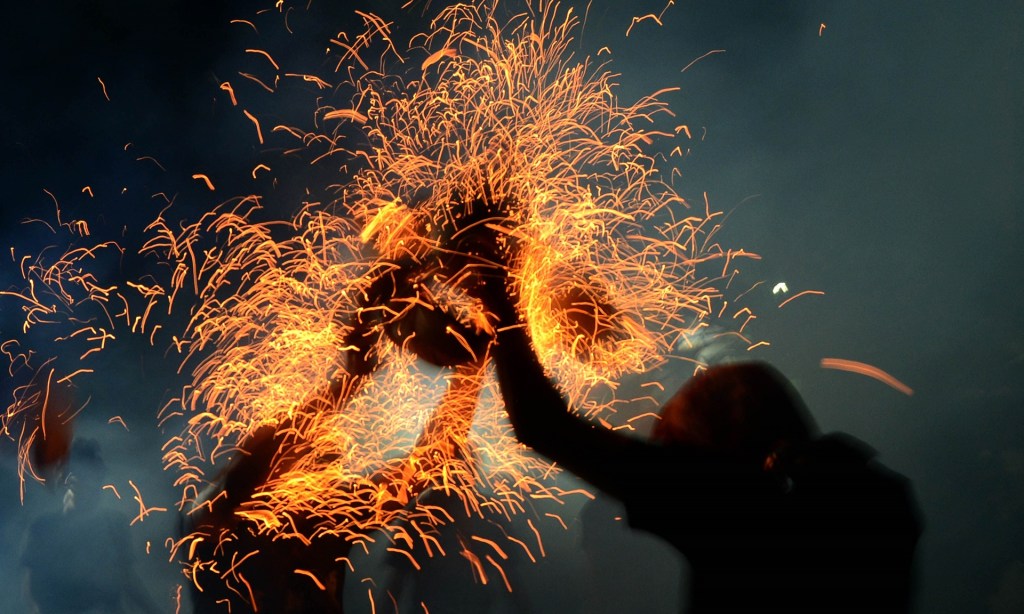
In rural communities, living beyond the streetlights, night is a time of darkness, alleviated when the moon is full. However, in cities and towns across the world people never truly experience night. The restless fluorescents of businesses and homes, of cars and streetlights, punctuate and banish any hint of darkness, and the stars are mere memories in the night sky.
One of the most potent verses as John’s community introduces the Gospel is the assertion about the coming of Jesus that “The light shines in the darkness and the darkness did not overcome it.”

We are invited into a series of engaging narratives where light and dark are pronounced. A man, a community leader, visits Jesus at night, to avoid scrutiny. A woman is banished to the blazing midday heat to draw water, alone. A man, born in darkness, receives light and life. Jesus’ friend, entombed, waits. As dawn emerges, the most powerful man in Israel refuses light and life, and hope.
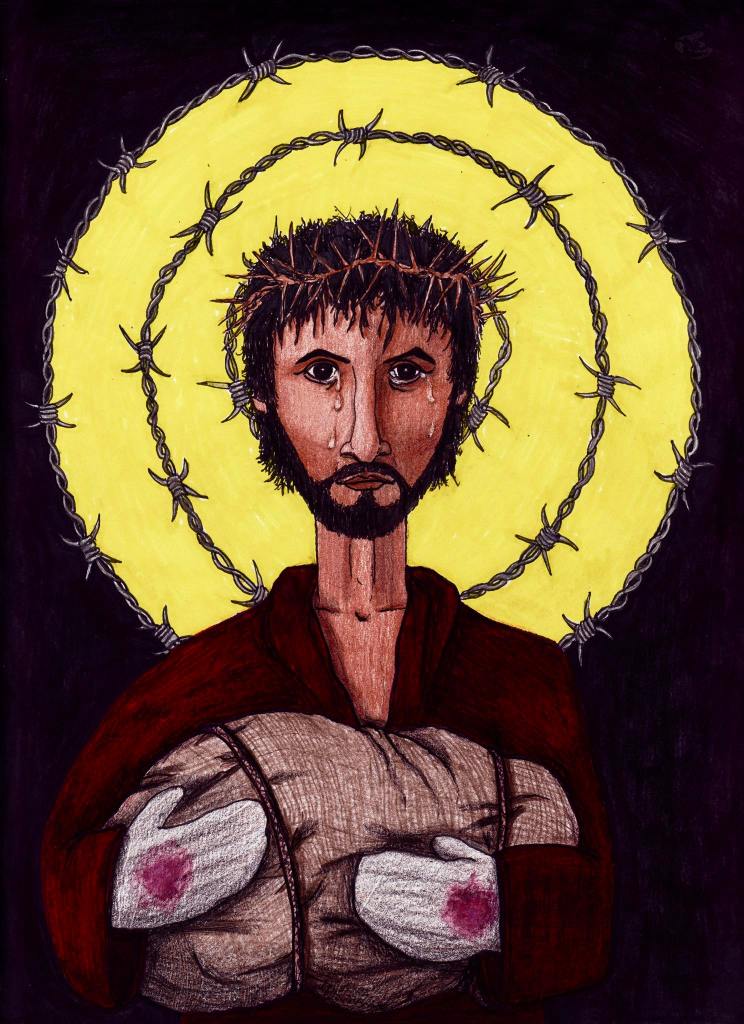
Each time we have the opportunity to condemn – to locate in someone else our discomfort, our blame, our woundedness – Jesus, instead, wonderfully offers life.
The narratives invite us to discover where darkness dominates lives and societies. This is not only the failing of individuals, this is the action of a community, a culture. The woman is isolated by her village’s judgment and consent; the previously sightless man is condemned more after his healing than before. As the dead man is restored to life, the response of the community leaders is to find a way to kill him, and Jesus.
Darkness and evil will not easily tolerate challenge.
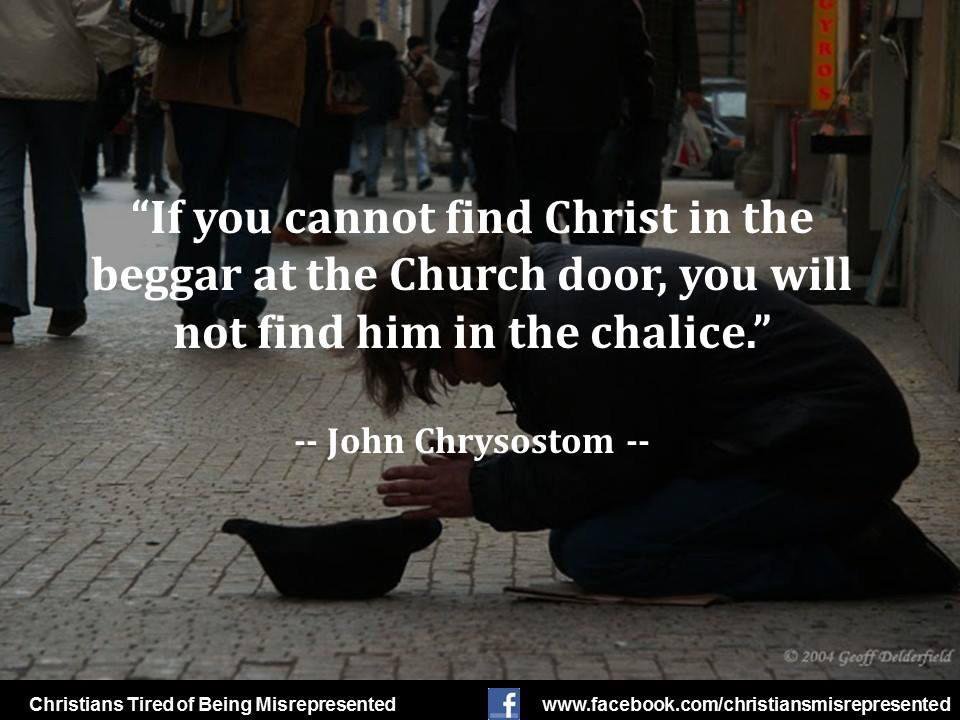
The politician takes the stage and speaks of a God who hates. A preacher proclaims that the world is better when women cannot vote, and simply comply with their husbands. Leaders condemn children for the failed decisions of their parents, seeming content with their penury and isolation.
Speaking of forgiveness, or being reconciled, articulating justice which offers accountability coupled with restoration, is a dialect which so many never learn. Worse, others are taught to banish it entirely from their lives and memories.
We do not need to look for demonic powers, they are in plain sight. Justifying the punishment, wounding and death of children; being content that they are suffering in another country, another story, another life; ignoring deliberate misery with the diseased solipsism of contemporary populism, or failed theology. Satan’s fingerprints are obvious.
Nicodemus is told of a breath which – impossibly – births new life. This breath stirs us to step beyond what we can know, to what God reimagines.
What if all the world is entirely loved by God? What if God has given everything, even God’s self, to save the creation? What if we are embraced in this story and are called to embrace others in our turn?
What if reflecting Christ’s light in the darkness is to confront and oppose the demonic powers of the pedlars of suffering and live out our resurrection hope?
How can these things be?
There is a God, who loves the world beyond measure and has given everything, even his child, so that the creation might have life, abundantly.
 Through A Strained Fence