Although the doors were shut, Jesus came and stood among them and said, “Peace be with you.” Then he said to Thomas, “Put your finger here and see my hands. Reach out your hand and put it in my side. Do not doubt but believe.” Thomas answered him, “My Lord and my God!” Jesus said to him, “Have you believed because you have seen me? Blessed are those who have not seen and yet have come to believe.” [from John’s Gospel 20.19-31]
Woven throughout the Jesus stories are moments of intimacy which move beyond words. Some of the most arresting images from art and film arise from Jesus’ encounters, or stories that he told.
The Pietà, rendered both in paint and stone, gives us cause to hold our breath; Rembrandt’s portrayal of The Prodigal Son has us hungering for such a restoration as this; how often has the crucifixion’s depiction drawn us into silence, or weeping, or even despair at the malice of human hands?
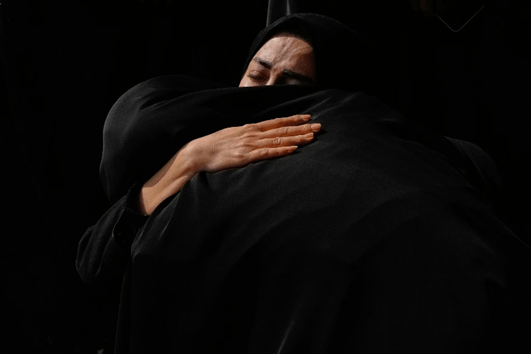
We are wrapped within the mystery of Jesus’ resurrection at the moment. The moment of resurrection is neither witnessed nor recorded, so we are left with the blessing of wonder and confusion, doubt and fear.
The risen Jesus’ defiance of locked doors animates the conversation with the frightened disciples, as he appears and offers the blessing of peace and the missional task of forgiveness. The intimacy of his blessing, followed by showing them the wounds he still carries is enough to contemplate for more than the short retelling. Jesus appears different, yet the same; he is alive, yet bears the wounds of his suffering and death.
It is Jesus’ encounter with Thomas which locates each of us within the resurrection story itself. Jesus exposes his wounds to Thomas and invites – risks – his touch. Is there any happening of greater intimacy than this? Any kiss, any tenderness, any dying moments, any death?
Thomas, called to step into the story of the risen, crucified Christ.
This gathering of cowards and betrayers is welcomed and forgiven. Can anyone doubt that, if Judas was still alive, Jesus would have equally invited him to touch his wounds and experience God’s rigorous mercy?
And thus, we find our place.
It is the invitation of Jesus to risk ourselves with him. Jesus asserts that, despite our fear and doubt, this is for us.
We are discipled in forgiveness, both to receive and to offer. What greater act, what more intimate word, could be spoken into our world, in this season of revenge and violence, of faith bastardised into nationalism or theocracy, when leaders threaten cultural extinction and pray for accurate missile strikes?
Mercy is not some gratuitous wave of the hand, or waiving of sin. It the engagement of wounds shown (and perhaps touched), of acknowledgement of failure and harm, of forgiveness sought and offered, of relationship restored, of life discovered.
It is costly, and it is priceless. Jesus has invested himself in each and all of us.
The mystery and the wonder is that Jesus invites us. It is also the glory of God, crucified and risen.
 Through A Strained Fence