The crowds that went ahead of him and that followed were shouting,
“Hosanna to the Son of David!
Blessed is the one who comes in the name of the Lord!
Hosanna in the highest heaven!”
When he entered Jerusalem, the whole city was in turmoil, asking, “Who is this?” The crowds were saying, “This is the prophet Jesus from Nazareth in Galilee.” [Matthew’s Gospel 21:9-11]
The chaos as peace invades. We have so little language for it; we are barely articulate. A monarch, a prophet, a leader, who brokers peace in his living.
We watch and remember as monarchs and dictators, sociopaths and narcissists punctuate their rhetoric with missiles and the language of punishment. We are more accustomed to this than the other; we have learnt how to deflect bullies, or hide from them.
However, this one who comes, unarmed and disarming, is something entirely different. We are not sure how to respond, so amongst the crowd we cheer the theatre of his arrival, and assume he will survive as long as a tyrant’s whim, or social media post.
We listened as Jesus invited us to reimagine how we might live in our world. We watched as those outcast were gathered with love, and offered life. We barely dared to hope that turning our cheek and forgiving and forgiving and forgiving might be the new way of offering – and celebrating – life.
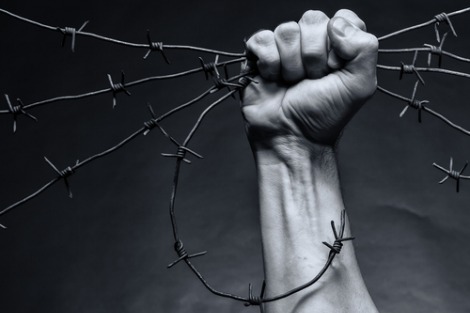
We acknowledged that Jesus talked of the costs of bearing witness to such a life as this.
The bullies’ culture is addictive. We know it leads to despair and eventually destruction; we know that we cannot sustain the tyrant’s favour forever. The simple fact is that we know how this poison works because it has been present since Cain murdered his brother. The despots have taught us that their way is the only one.
Then this Jesus and the donkey. Confronting power with powerlessness. Conscious that this act will arouse all the violence of empire and corruption. Not just Pilate and Herod and the corrupted priests, but the system which cannot tolerate questions, or prophets, or alternatives.
If it was our decision, we would retire gracefully, or retreat politically, in order to choose a more suitable battleground. Jesus will have none of it. He reclaims the temple for worship and justice, offers his most powerful teachings, fully aware of the consequences.
We watch as those who call for peace and justice in Gaza and Ukraine and Iran and Lebanon are ridiculed, disappeared, or extinguished. The offspring of Herod’s corruption and Pilate’s political self-interest are present in every age.
Jesus elected a more suitable place to bear witness. It is only there that violence and injustice are both addressed and answered. The brokering of peace at Calvary accepts and defies the violence of every tyrant. In Christ’s final breaths, he offers them life as well.
The depths of this act of Jesus, to save entirely at cost to himself, is prophesied when Jesus of Nazareth rides a donkey’s colt into Jerusalem.


 Through A Strained Fence