Our friends recently told their youngest child that Santa Claus is myth.
When they explained to us how they had revealed it to her, I was astonished by their care and respect. The hard-bitten part of me, the Santa-only-gets-in-the-way-of a-real-Christmas part of me had a reflex response almost of disdain.
After some thought, I am more than a little ashamed by my reaction. I will need to make amends.
There is something of a similar disdain, or disregard, by many people about the deeper, original, Christmas story. This is a response from within the church, as much as without. There is an almost reflexive disbelief about miracles and prophecies, about Mary’s extraordinary pregnancy and the story of shepherds and magi and wondrous proclamation.
There appears to be a sudden urge to explain, or diminish, to nod our heads condescendingly and talk about world views and obstetrics. We want to ignore theology, transformation and wonder, and surgically scratch our way to a story rendered anaemic by our greater knowledge.
May we allow the splendour of the story to sing for a moment?
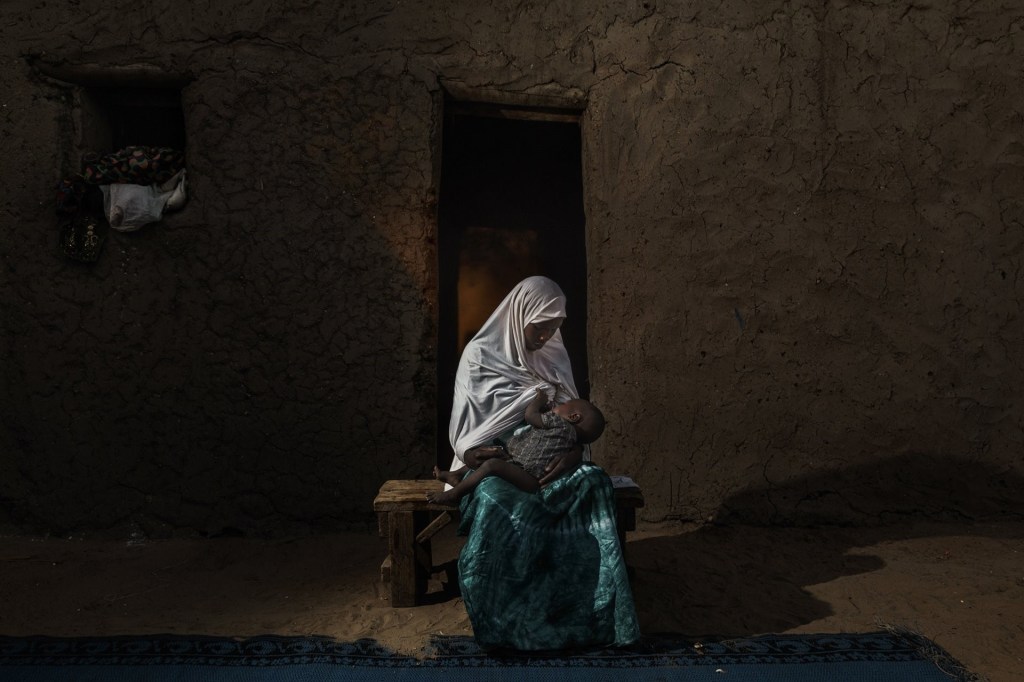
What if we felt the perplexity of Mary, and the comfort of her friendship with Elizabeth, as they discovered what unexpected pregnancy might mean for the two of them? What if we dawdled with Joseph’s confusion, ameliorated by an extraordinary dream, as he considered the social crisis of Mary’s pregnancy and the implications for his child – and for himself?
What if we step more fully into a story where we explore what it means that God breaks into our world as a child, embracing our humanity? What if we allowed ourselves to be humbled by Mary’s courage as she accedes to God’s request; and equally astonished by Joseph’s obedience in caring for Mary, and raising Jesus as his own?
What if we pay deserved attention to what the stories of Luke and Matthew (and the mystical poetry of John) are superbly proclaiming to us, that God’s imagination and initiative sundered all the established boundaries, stepping into our lives and world in love, constrained, entirely and wonderfully, in the form of a newborn baby?
God has become human flesh. Suddenly, no life is ordinary, neither is its value easily explained. God has become like us, and nothing can diminish the wonder of God’s embrace.

 Through A Strained Fence