And the crowds asked him, “What then should we do?”In reply he said to them, “Whoever has two coats must share with anyone who has none; and whoever has food must do likewise.” Even tax collectors came to be baptized, and they asked him, “Teacher, what should we do?”He said to them, “Collect no more than the amount prescribed for you.”Soldiers also asked him, “And we, what should we do?” He said to them, “Do not extort money from anyone by threats or false accusation, and be satisfied with your wages.” [Luke’s Gospel 3.10-14]
So, what should we do?
This is the question for which all proclamation yearns, the inquiry for which preachers wait. This is the response to what has just been spoken, with the hope that it has been heard and inwardly digested.
John the Baptizer has confronted the community and urged them towards change. The failed image of repentance is a person, sitting sorrowfully in a corner. This is not what John is calling for. There is no place for huddled remorse, but an active response to failure, to injustice, to harm.
So, the question comes, three times, to John; what should do we do now? Individuals from the crowd, moneychangers and soldiers all ask, publicly, what they can do.
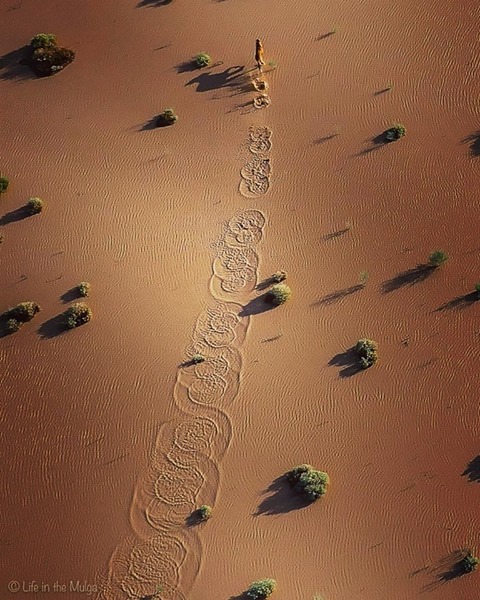
And John reminds them – and us – that repentance is creative, not simply responsive. Once you realise what’s happening, change how you live; don’t stop living, live differently!
The critical change is not simply avoiding destructive behaviour, good as that might be, it is about creating hope and life where you are.
Use your life, your resources, to create life for others. What you have in your wardrobe and your kitchen, your wallet, your job and your life can provide hope when none is visible.
Neither is it about the “grand gesture”, because that’s usually a gesture manufactured for avoidance. We plan, and consider and try to change the world, when all that is asked is about the relationship at our front step.
What is the creative act you can offer in this relationship – of thirty years, or thirty minutes – that can engender hope, build worth, encourage resilience? You are citizens of a new economy, says John, where worth and esteem are valued by service and generosity and justice.
You might consciously ask yourself, in which direction will I turn to create that today, for the next person I meet, and for the person sitting last in the queues for bread, or justice? We are citizens of a new community, proclaimed by John, and shaped by Christ’s very person.

