Did you think it would be comfortable? Did you imagine it would be nice? When you listen to a prophet, what did you expect – a gentle pastoral response?
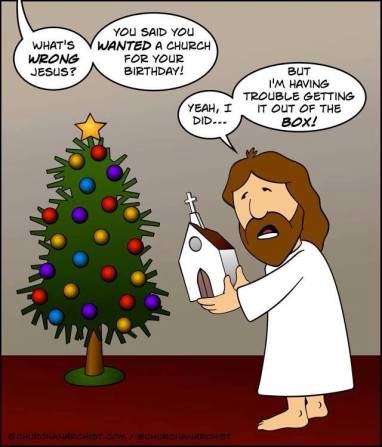
This is the problem with the whole shebang. We imagined it beginning and ending with angels singing triumphantly, a rampant drummer boy and a pristine manger filled with little Jesus-no-crying-he-makes.
Even if we stop reading the Christmas stories in Matthew’s and Luke’s Gospels, leaving out the violence and the prophecies of aged disciples and just stick with the birth, it becomes uncomfortable.
God is at risk in our world, a moment almost as disturbing as it is wondrous.
It’s disturbing, because the moment we engage with the wonder, something happens. We discover that we are being transformed. We find out how valuab le we are to God, as God becomes human flesh. We discover that we are loved beyond measure and trusted beyond our imagination’s grasp.
And there it is. Because if I am, so are you. If we are, so are they. And any amount of barbed wire wreaths and evasive press releases changes nothing.
John the Baptizer believed that Jesus was coming to “sort people out”, and when there were no reports of revolution and uproar, he sent a message from his prison cell: Are you the real deal?
The response from Jesus is good news: people’s lives are being transformed.
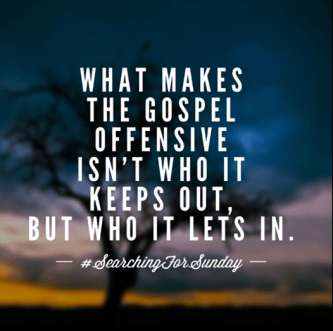
This is where the real discomfort comes for us. We discover not only our own worth, but the worth of everyone. The implications of that are obvious for how we serve and act, for how we forgive and seek justice. But it’s also when we see Jesus declaring this to be the heart of the Gospel – that the least become valued as the most.
John doubted because he expected uproar and instead Jesus brought embrace. Many of us doubt because we expected it to be more like what we imagined – a wondrous story in which we are embraced and left to live our lives in peace.
When we expect discipleship to fit neatly into our lives, we are wrong. We talk often about the call of God, but we neglect the next part: obedience. All forms of ministry, engaging every disciple, ask us to follow. There are moments when the call dovetails into our life, our community and our family.
And there are the other moments we are asked to leave our home and participate in the call of God in a new way.
What did you expect?
As the story builds of God breaking into the world as a newborn, we need to embrace this story for all the hope and life it brings.
The discipleship of Mary, then Joseph, agreeing to God’s call. The discipleship of John, even as doubts begin. The declaration of God – how much all humanity is valued and loved.
God entrusts us with his child, vulnerable at the heart of the creation. God entrusts us with his story, offered with the hope with which we discovered it.
As these weeks draw close, let us ready ourselves for the surprise of God in our world – again.
 We are entering the season of hope and the signs are all around us: jacarandas (and Patterson’s curse) are incandescent and cereal crops are ready in the paddock – reflections of good, plentiful rain. There are flies everywhere, too; reminders of the season, but certainly not blessings.
 phesies the fall of the temple immediately after an impoverished widow puts her last coins in the temple coffers?
 did they wrestle with them? Did they head back to work, or to the pub, or the saleyards and tell their friends what they had heard? When they were shocked by the parable of the Samaritan, or angered by the equal-wage-paying landowner, surely they argued about it after worship?
 wide web. It’s beyond our touch, and yet it is everywhere, influencing our homes, our work, our lives.” Suddenly we have a point of conversation that is relevant to the people we know.
