It seems like he’s everywhere. When the radio – any station – comes on, or when you flick past any number of websites, or when you don’t move fast enough to change the channel as the news commentary appears on the television.
Donald Trump is ubiquitous.
I have a confident suspicion that he loves it like that, even when the commentary is critical, or the images are poor. “There is only one thing worse than being talked about and that is not being talked about,” Oscar Wilde archly reminds us.
I’m already tired, because it isn’t only since the inauguration, it was the eighteen months beforehand of campaign and criticism and commentary and cheer squads. Mr Trump is on our news more than our news is.
In case you missed it (ironic smile), Christians across the full spectrum of the church have been offering opinions about all aspects of the new President, arguing to and fro, creating a lot of heat and not a lot of light.
As disciples, it’s appropriate to have our judgments informed by our faith in Jesus and to act accordingly. We are, however, called to more than  commentary.
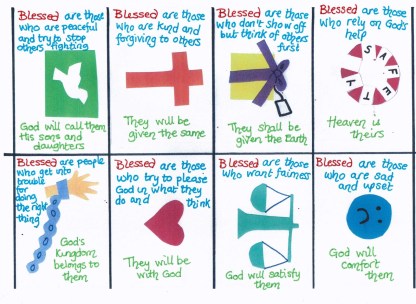
After blessings of last week, for the broken and the heralds in the kingdom of God, Jesus’ calls each of us to more. I have an opinion about many issues in the world, and it’s possible a few of them are even worth considering, but my discipleship asks me how I will act to bring the flavour of God into people’s lives and the light of God’s hope into people’s darkness.
What does the salt and light taste and look like? Jesus spells it out, so that we are without excuse. What can I do, or say, that will help people look towards the God who loves and forgives?
What might I offer someone when they are spewing hatred on the internet, or in the street, which casts hope into the violence in their heart?
What can I say in a conservation which makes peace – creating justice, finding hope, discovering a way forward? When I consider Jesus, I find creative responses to the issues of our lives: live rightly; be reconciled to those around you; value people as more than objects; consider the integrity of the promises you make; r estore, endure, embrace. Love.
It’s much easier to type a (clever/witty/acerbic/destructive) response on a Facebook thread than to love your enemy, or to have integrity in your own life. We can be clever and cynical at a barbecue about how badly the world is going.
We are not called to commentary, we’re called to follow Jesus. To whom can you offer forgiveness, or from whom can you seek it? Which enemy might you endure, or even welcome? What stranger might you embrace?
In the face of our fearful, violent age, what hope might we offer in the way we live? We live this way, not despite the world, but because of Jesus.


 le we are to God, as God becomes human flesh. We discover that we are loved beyond measure and trusted beyond our imagination’s grasp.


 We are entering the season of hope and the signs are all around us: jacarandas (and Patterson’s curse) are incandescent and cereal crops are ready in the paddock – reflections of good, plentiful rain. There are flies everywhere, too; reminders of the season, but certainly not blessings.

 phesies the fall of the temple immediately after an impoverished widow puts her last coins in the temple coffers?
 did they wrestle with them? Did they head back to work, or to the pub, or the saleyards and tell their friends what they had heard? When they were shocked by the parable of the Samaritan, or angered by the equal-wage-paying landowner, surely they argued about it after worship?
 wide web. It’s beyond our touch, and yet it is everywhere, influencing our homes, our work, our lives.” Suddenly we have a point of conversation that is relevant to the people we know.

