[Jesus said] “…Therefore, keep awake – for you do not know when the master of the house will come, in the evening, or at midnight, or at cockcrow, or at dawn, or else he may find you asleep when he comes suddenly. And what I say to you I say to all: Keep awake.” [from Mark’s Gospel 13:24-37]
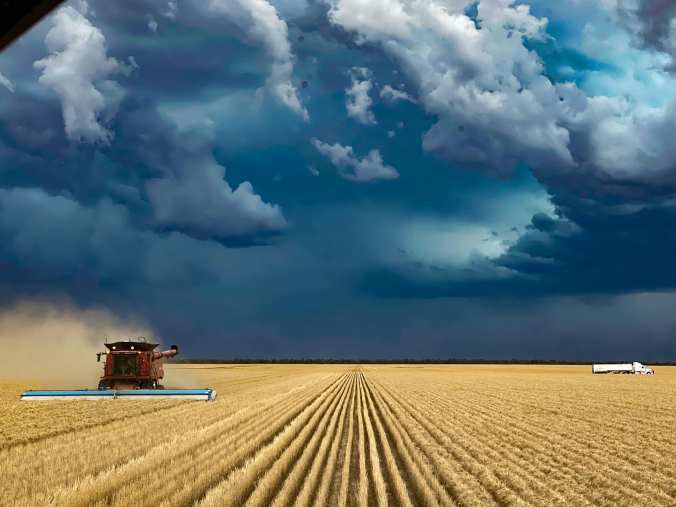
All the signs are before and amongst us. The deluge of ads, calling us to purchases; decorated sleighs (even in the airport!); social media reminders about how days (and shopping days) until Christmas. In more beautiful and peaceful reminders, the harvest is being brought in, and jacaranda have purpled our streets, paddocks and parks.
This first Advent week traditionally has Jesus speaking of the need to prepare for the completion of the age. There is a sense of impending happenings, and our need to read the signs. Words and warnings for the early disciples, and reminders for each generation about the challenge of bearing witness in – what can often be – a hostile world.
It is no surprise that, immediately following Jesus’ words, the plot to betray him is put into motion.
Advent is the season of waiting, of expectation, of “the now and the not yet.” We speak not only of a baby in a manger, but of Christ’s return at the completion of everything. We wonder, too, what this might really mean; what justice and peace might truly look like, in all their fullness.
This season is absolutely a season of hope. Not wishes. Not daydreams. Not optimism. Hope.
In an extraordinary engagement, the musician and author Nick Cave wrote to a man in need of hope. Cave’s insight arises from his recent devastating personal experiences of grief.
He points out that for much of his early life held the world in contempt. How often the church has only tolerated many people, showing disregard, or even disdain. We have easily characterised people as sinners and have pocketed any love and compassion to offer only to those who live like us.
Being able to articulate and offer hope begins when we see the inherent worth of others, of those around us. We hope because we love, and are loved.
Cave then speaks about the rigour of hope. “Unlike cynicism, hopefulness is hard-earned and makes demands upon us”, he says.
It is not easy for us, in a world currently – and historically – scarred by violence and injustice to exercise hope. We need to practise hope, which is centred first, and always, in the act of God in Jesus. Hope is not neutral, it is not unbiased; Cave describes hope as “adversarial, the warrior emotion laying waste to cynicism.” Where else might this be better utilised than here and now, in a world suffused with and, crippled by, cynicism?
When Jesus talks about turning our cheek, that is an act of hope defying violence, asserting that there is a way to live not governed by the fist, but created by service, by sacrifice. It is every act of love, however small, which enables hope.
This tiny child for whom we wait is hope for us that God is still speaking, even into a suffering, broken world. We are awake to the crises around us; be even more alert to the God who refuses to stop loving us, to act in hope, to save.

