Then [the king] said to his slaves, ‘The wedding is ready, but those invited were not worthy. Go therefore into the main streets, and invite everyone you find to the wedding banquet.’ Those slaves went out into the streets and gathered all whom they found, both good and bad; so the wedding hall was filled with guests. [Matthew’s Gospel 22:81-14]
One confronting parable follows another. A landowner, then a monarch, who tolerate no resistance, no insurrection, from those they have invited. Followers of Jesus will wrestle – uncomfortably, even unwillingly – with these parables until all is complete.
Is God (even a little bit) like this?
This violent response is the expected behaviour of history’s monarchs and dictators, of those in power who have been denied their will. Nothing to see here.
However, look for a moment where Jesus may, in fact, be directing us. Consider the behaviour of the banquet’s invitees. No one accepts the invitation to the monarch’s wedding banquet. No one. When the monarch insists, their response is both impolitic and violent. So the king acts, as monarchs have forever acted; the people are destroyed.
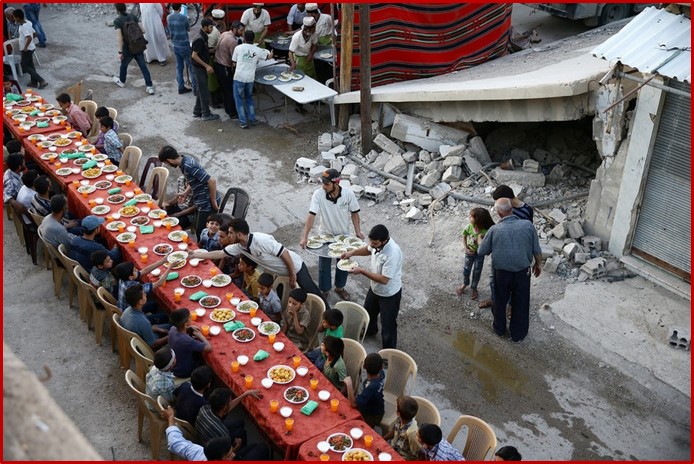
Then, because this is a story and time is somewhat elastic, the banquet remains ready and new invitations issued for all and sundry. – rich and poor, good and bad alike. In this motley, spontaneous, crew, one is wrongly dressed. He is summarily expelled.
Those who believe they are entitled treat their invitation as nothing. Perhaps they inherited their position or, were gifted their place in society through the social labyrinth some navigate with ease, and which remains a mystery to so many others. Perhaps they paid their way with favours, or finance. Perhaps their skin colour, or their gender, or sexuality, or profession, amplified their assumed eligibility.
Their sense of entitlement devalues the gift of invitation. Thus, gift becomes trophy, becomes possession, becomes what I have always deserved, becomes stagnant.
The gracious offer of God is not offered cheaply. Bonhoeffer showed us that almost a century ago, as much of the German church refused God’s invitation. Even now, the headlong rush of the North American church (and others) towards the deceit of Christian nationalism is a harbinger for the Australian Christian community. These people regard their invitations as deserved, flaunting them publicly, decrying others.
The measure of God’s offer is the life and death of Christ; God expending everything. Discipleship begins by accepting that generosity, astonished at our invitation. When we discover the diversity of those invited beside us, both good and bad, we are humbled and uplifted.
What, then, is our response? Entitlement, or an equal service with those who invited us, with those who bore witness to us, of the mercy of God? Humility, at the company we share at this banquet, that all – not just the people we prefer – are invited to share, to live and to serve?
What of this last character, banished from the banquet? What of him?
The dress code is not about Armani, as opposed to Op Shop; it is about the servanthood we wear for every occasion, at banquet and with the broken. We are, all of us, invited.
Now, we have people to serve.

